Guides for jewelers selling online.
Photography, inventory, AI, and the craft of selling fine jewelry online. Written for independent jewelers, not marketers.
Selling Jewelry Online
For jewelry stores and brands: what to put online first, Shopify vs Wix vs marketplaces, keeping stock in step with the store, photos, listings, trust and a first 30 days plan.
Read →
Shopify Image Size
The product image size Shopify recommends, why jewelry needs room to zoom, which aspect ratio to pick, image order, alt text, variant photos and a checklist for every listing.
Read →
Product Descriptions
A plain template for jewelry product descriptions, the facts each category needs, words to drop, the disclosure rules for lab-grown stones, and three worked examples.
Read →
Photo Retouching
What a jewelry retoucher actually does, what to ask a retouching service, how to check the edits against the piece, and when a new photo beats a retouch.
Read →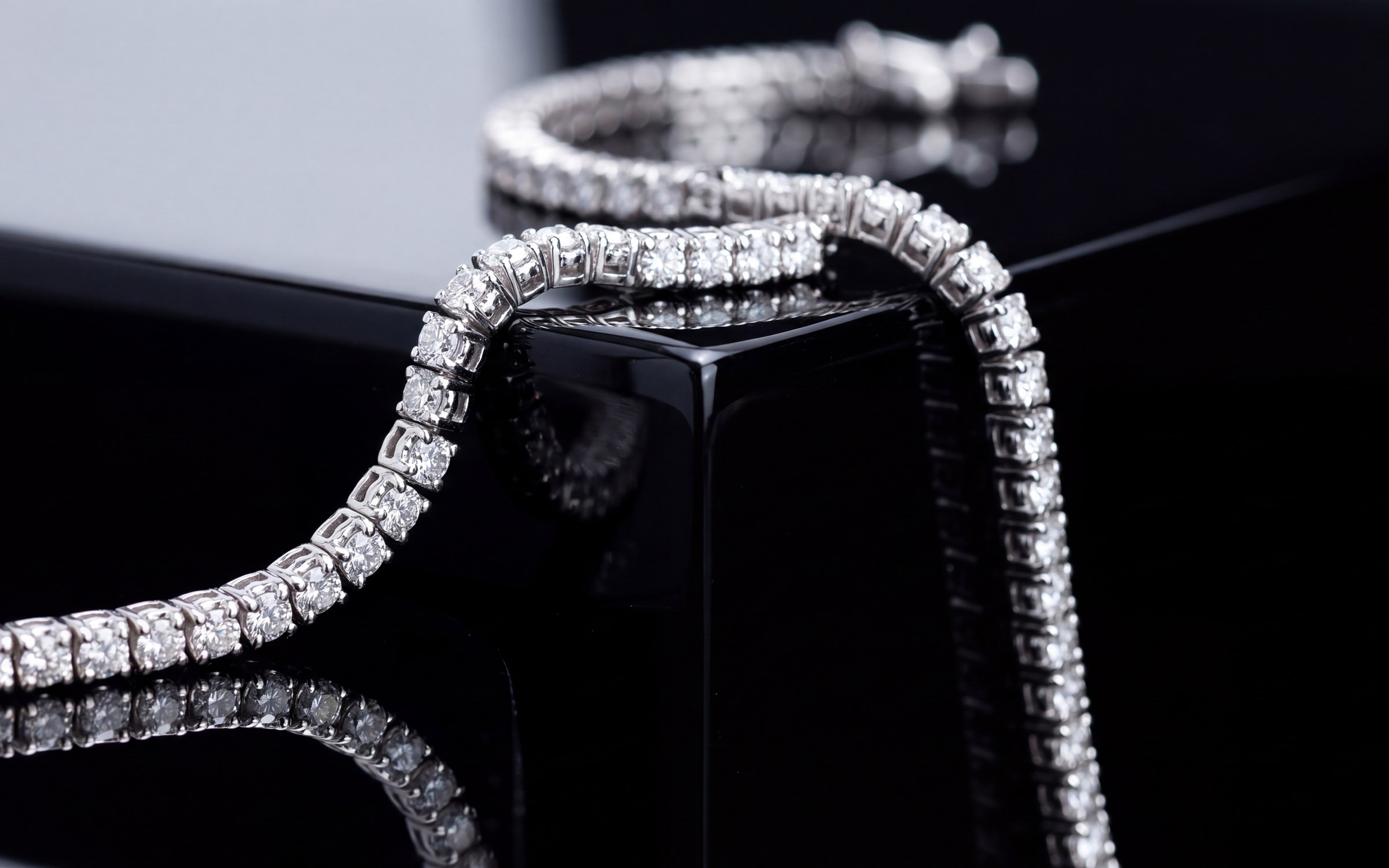
AI Product Photography
How AI product photography works, why rings and stones are a harder test than other products, and the ten-piece check to run before you pick a tool.
Read →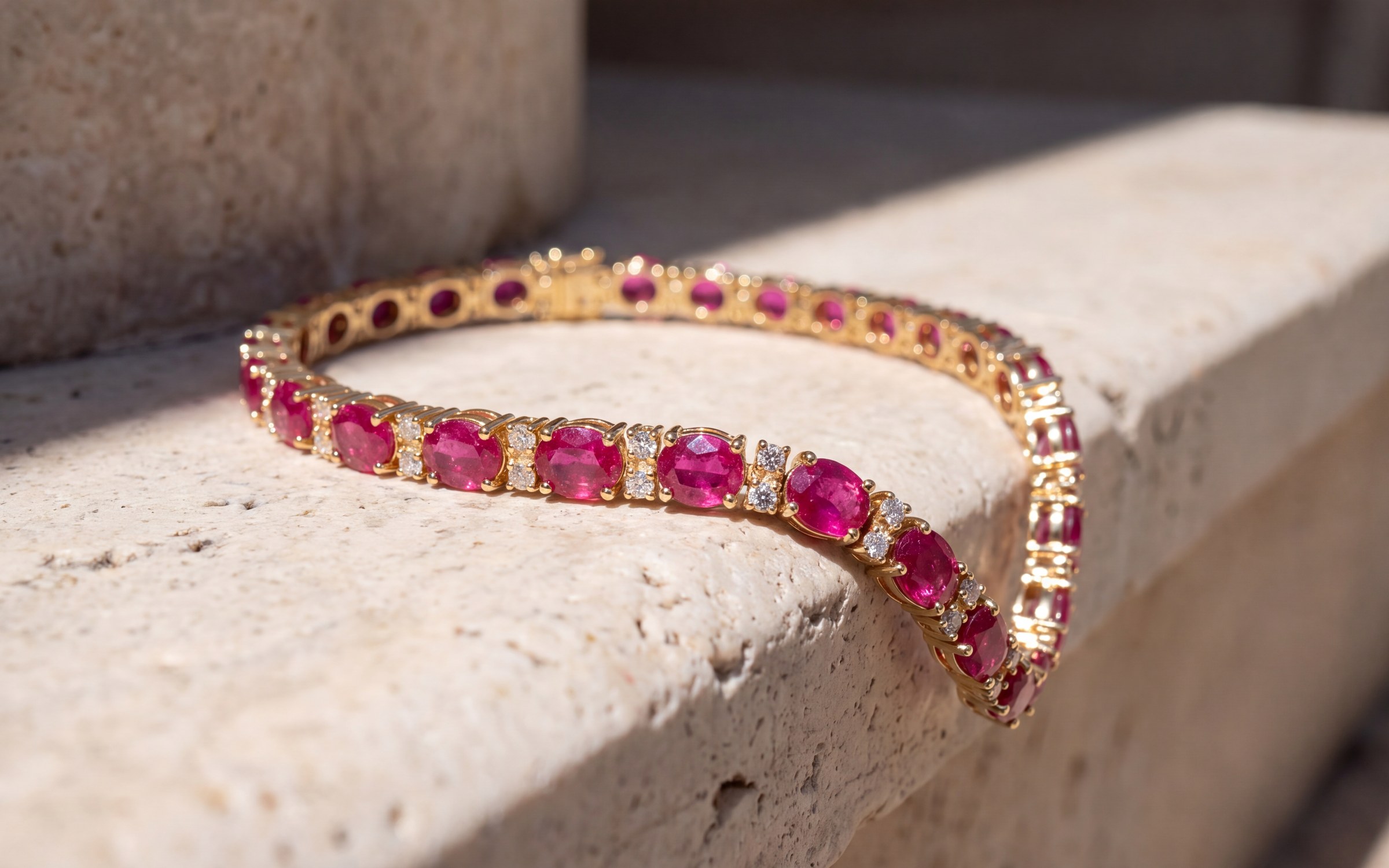
Hiring a Photographer
How to read a jewelry photographer's portfolio, the usage-rights question most stores forget, how to brief a shoot, and where software fits instead.
Read →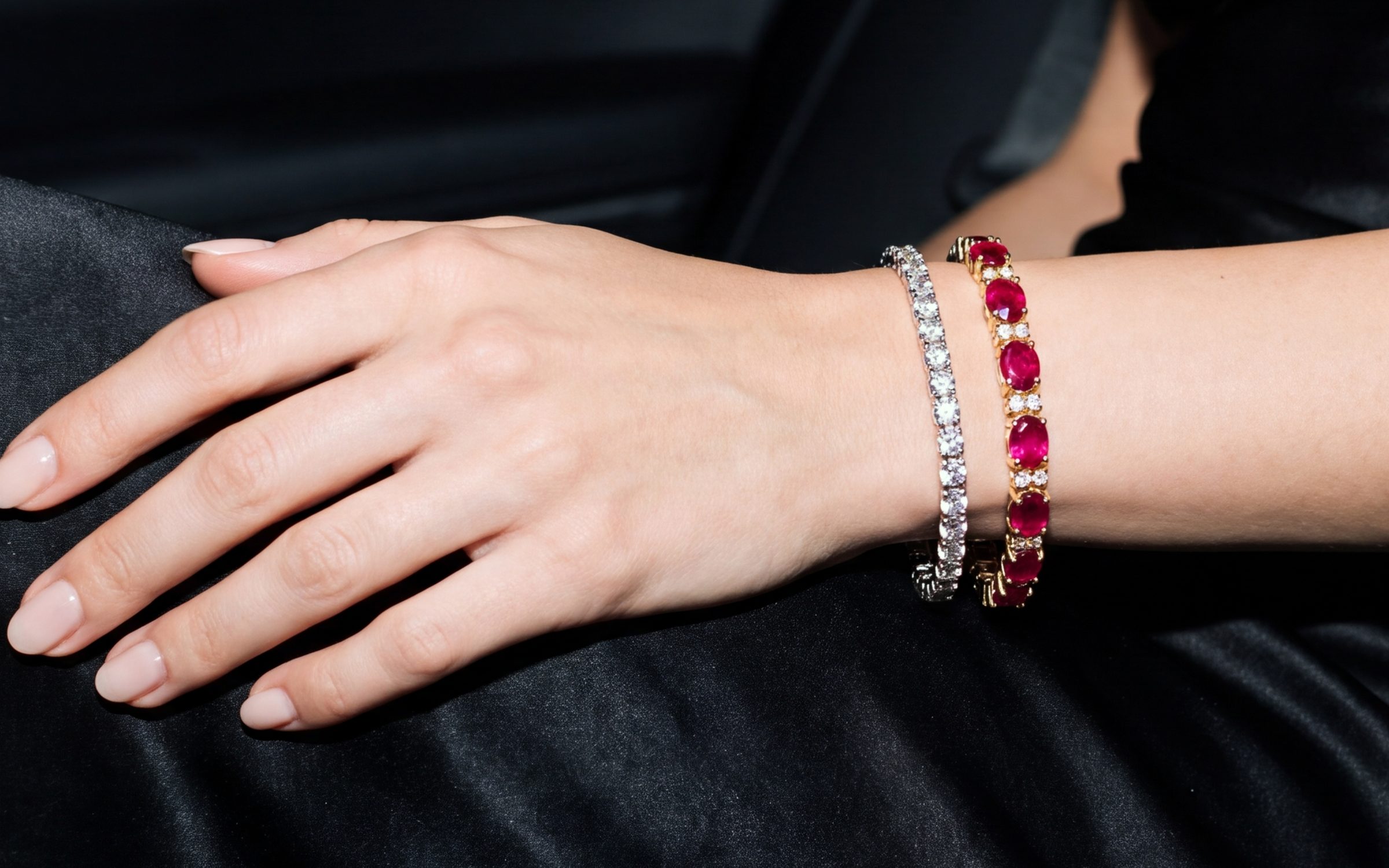
Jewelry Store Marketing
The marketing that tends to work for independent jewelers, in the order we would tackle it: your Google listing, an online catalog, email, social and the calendar.
Read →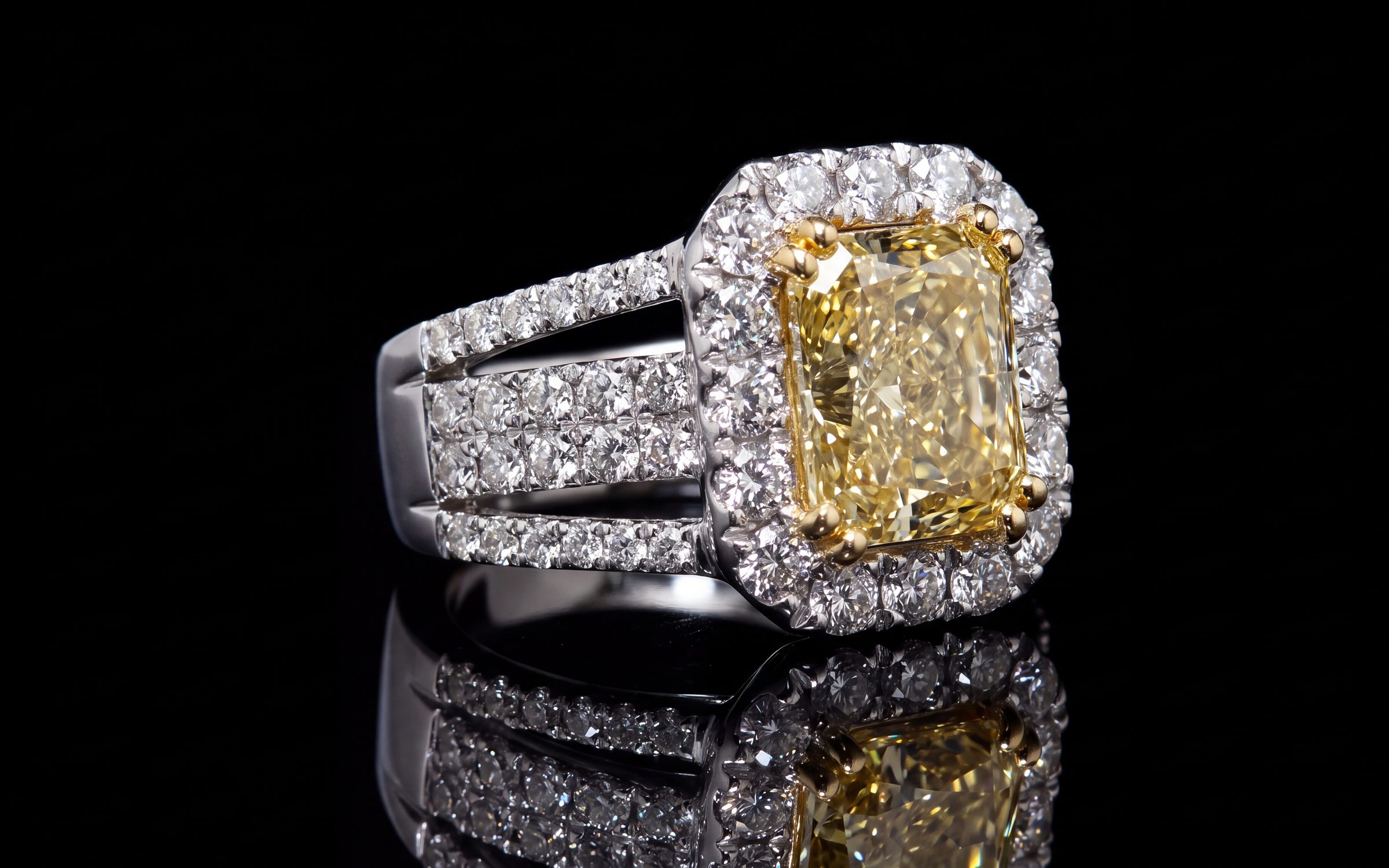
3D Jewelry Rendering
When a brand or custom jeweler should use CAD renders instead of photos, what to send a rendering service, how to check a render, and how to label it.
Read →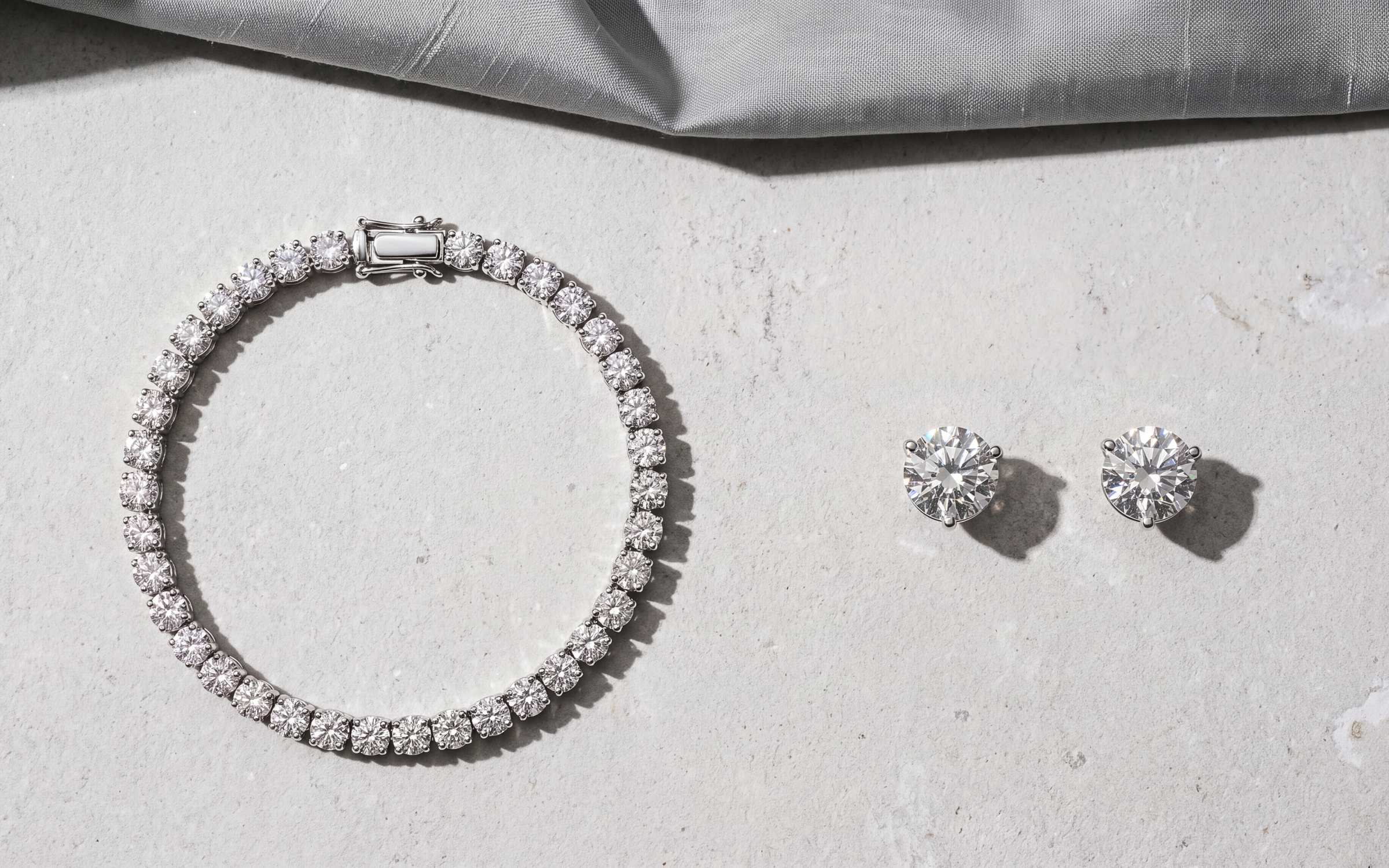
Jewelry Line Sheets
The fields every jewelry line sheet needs so a buyer can order without emailing you, a column template to copy, and how to share and update it.
Read →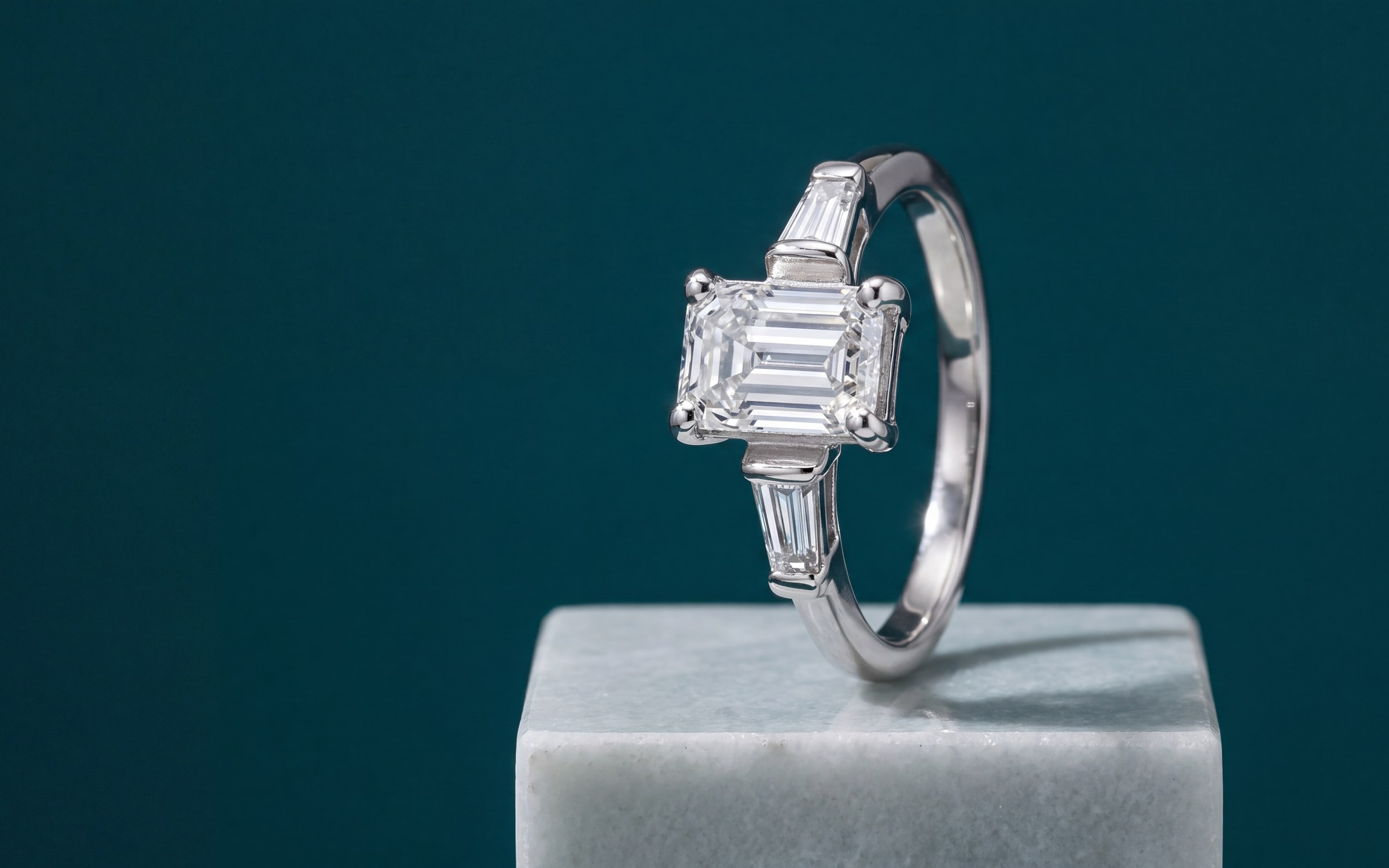
Codes to Listings
How to read a code like 14KW 1.00CT RD DIA SOL RING and turn it into a title shoppers search for, an honest description and the right category.
Read →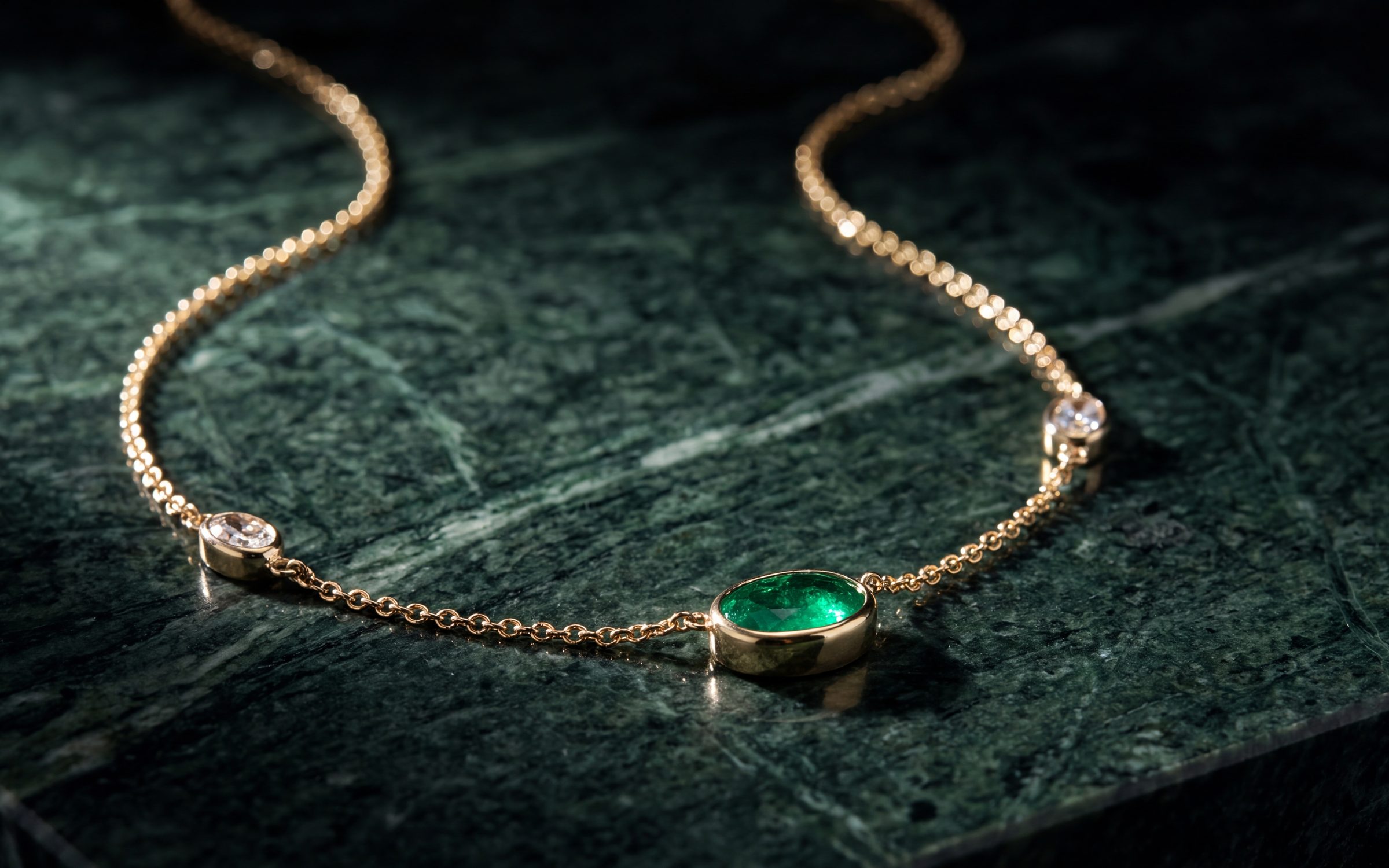
Photos You Already Have
Counter shots and supplier images are a better starting point than they look. Which photos work, which shots to make, and how to check every result.
Read →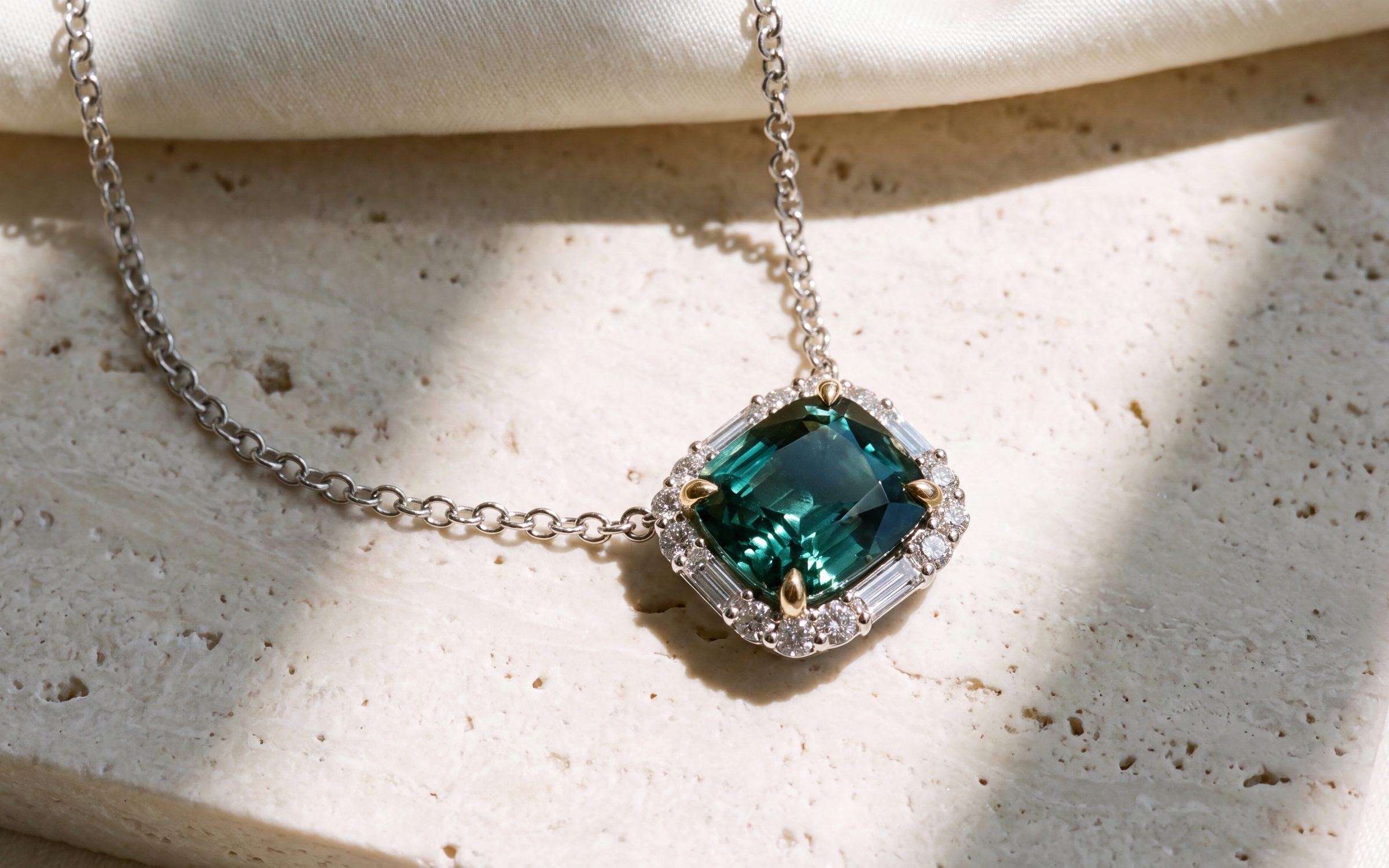
Digital Lookbooks
What store buyers and their customers each need from a lookbook, why one line should become several editions, and how to share it privately.
Read →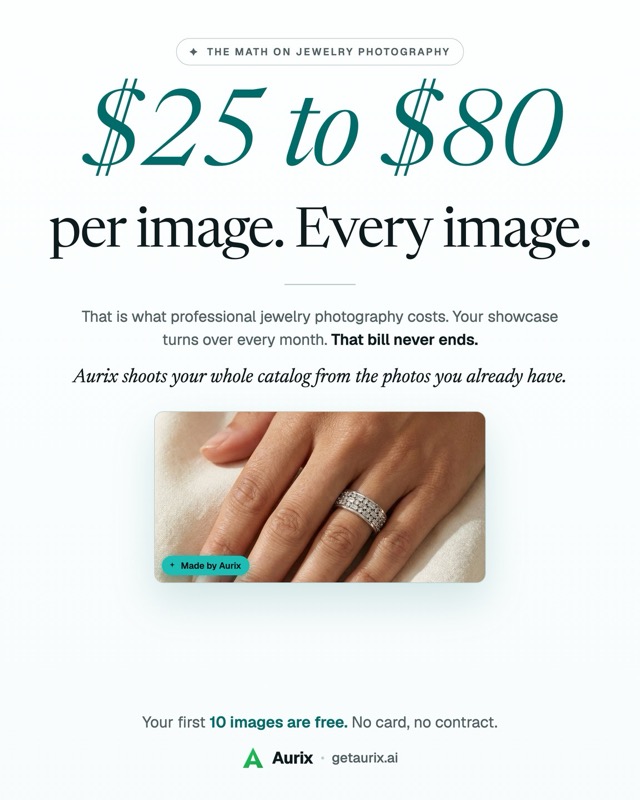
Photography Pricing
Per-piece rates, day rates, lightboxes, and AI. The real numbers a jewelry store pays for product photography in 2026, and where each option breaks down.
Read →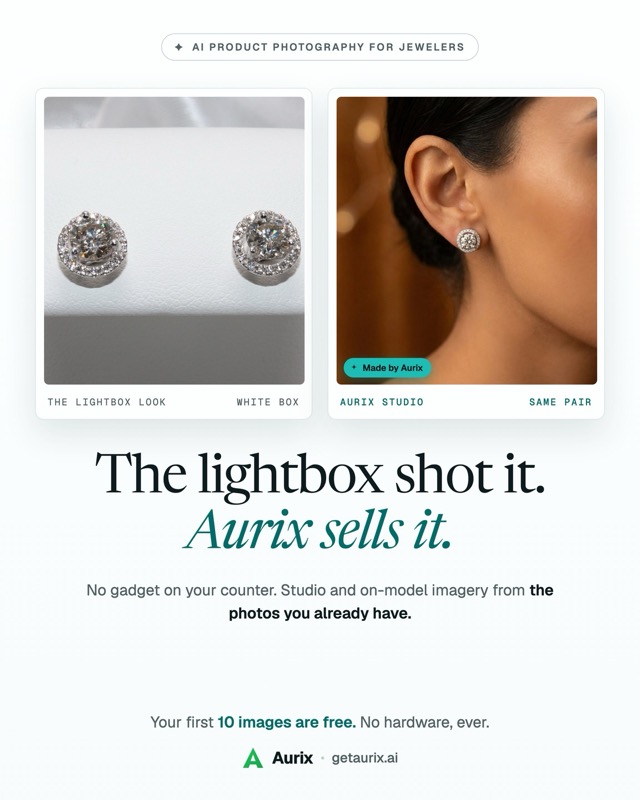
The Lightbox Alternative
A lightbox gives consistent catalog shots. It cannot show a piece worn or write the listing. What an AI alternative does, and who should still buy the box.
Read →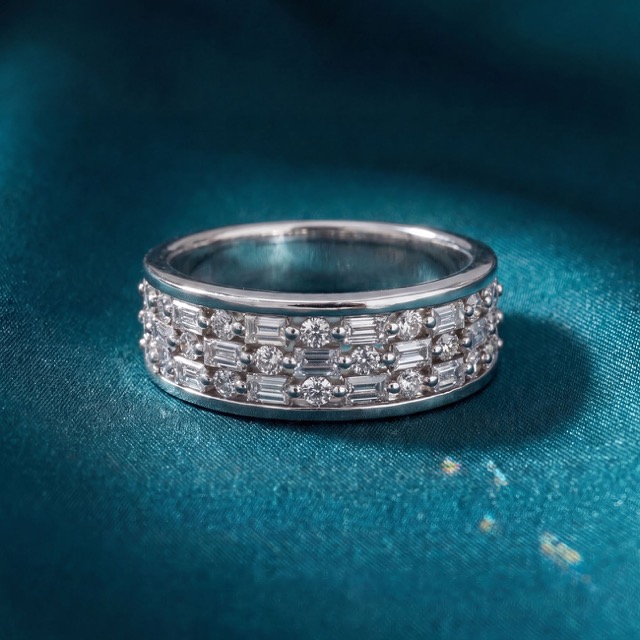
Introducing Styles
Build a photo look once, then apply it across your whole catalog. Generate several finished styles for the same piece in a single run.
Read →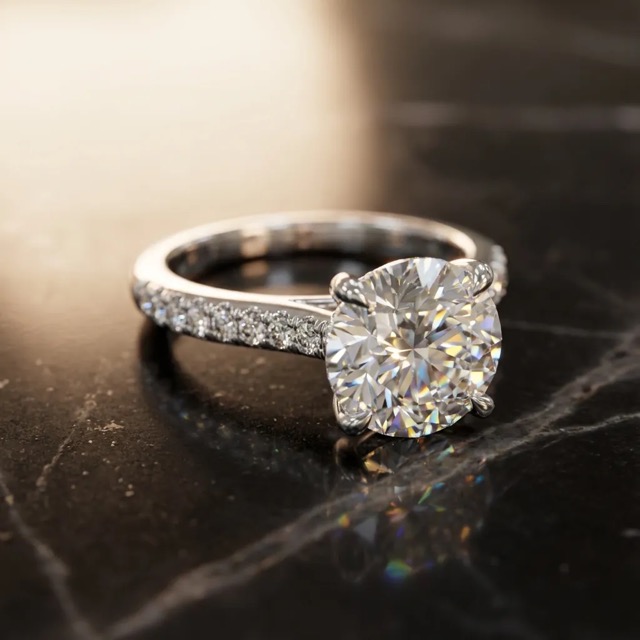
How to Photograph Jewelry That Sells
Lighting, angles, and styling that turn a phone snap into a listing that converts, plus when to let AI do the work.
Read →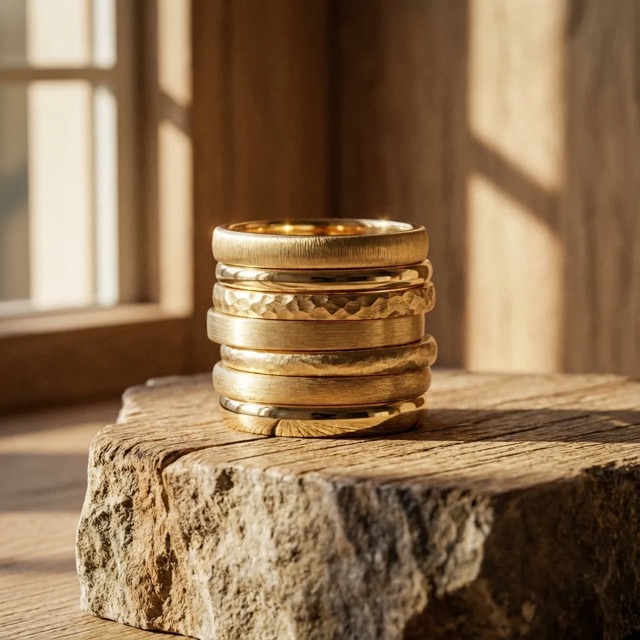
AI vs a Studio Photo Shoot
Cost, speed, and quality compared for jewelry retailers deciding how to shoot a full catalog.
Read →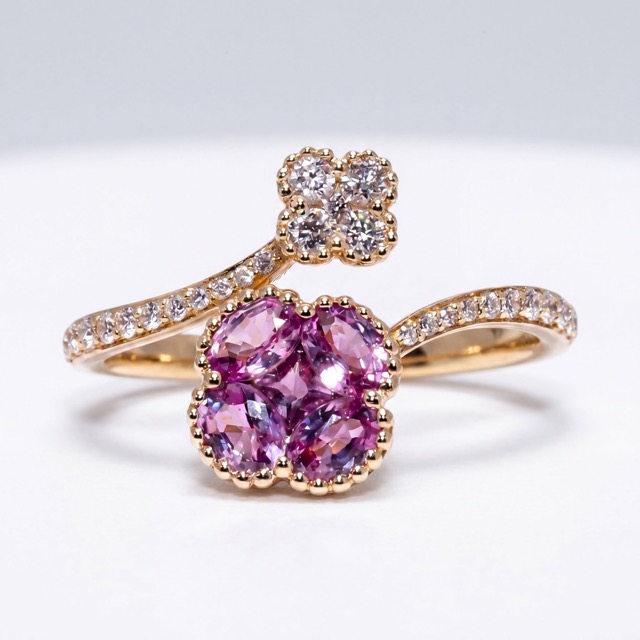
Why Your Jewelry Isn't Selling Online
The five photo and listing mistakes that quietly kill conversions, and the quick fixes for each.
Read →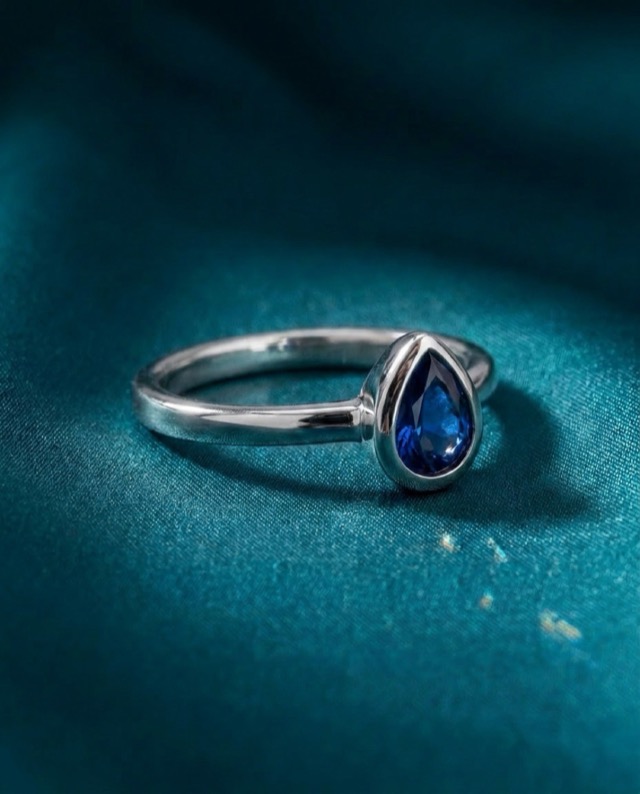
Sync Lightspeed to Shopify
How often to sync, matching by SKU, reviewing the first run, one-of-a-kind stock, and what never flows back to Lightspeed.
Read →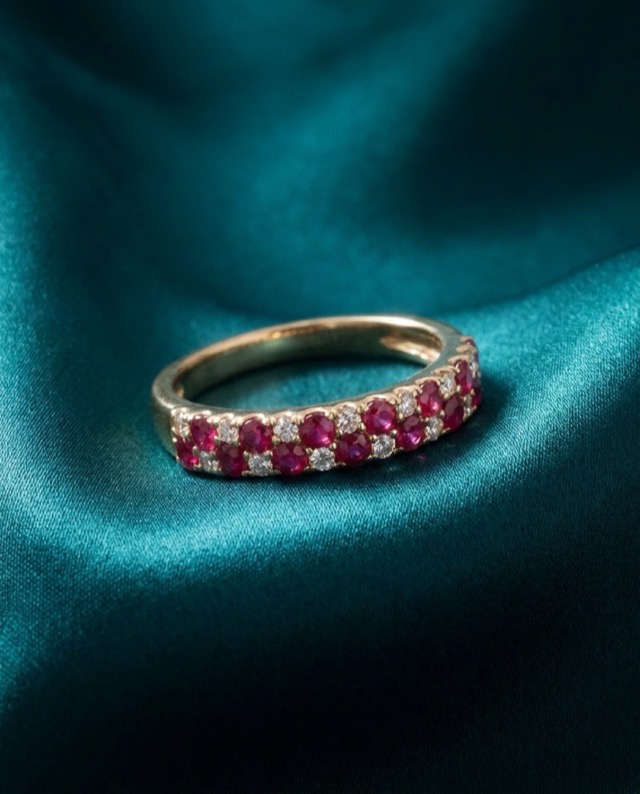
Best Jewelry Inventory Software
What to actually look for in jewelry inventory software, and the features that matter when every piece is one of a kind.
Read →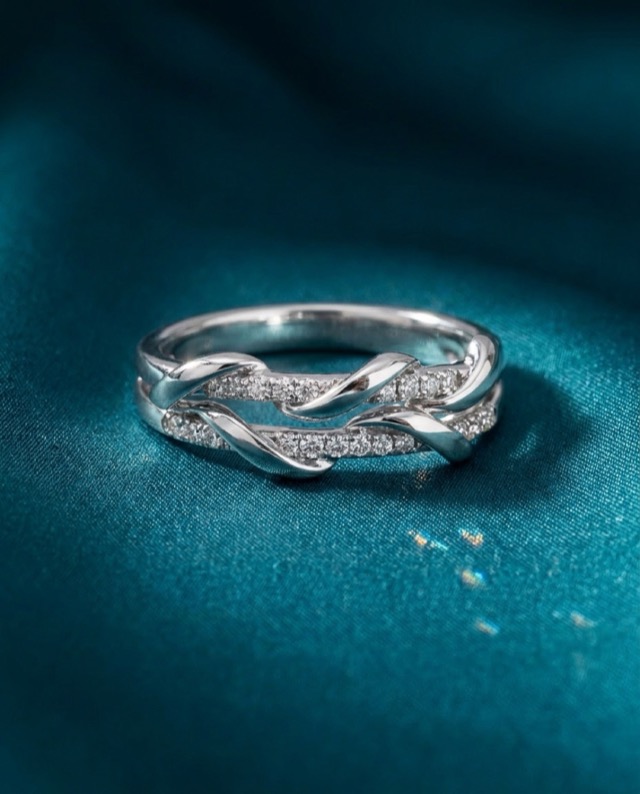
Jewelry POS Integration Guide
What it really means to connect a jewelry POS to your website, the common pitfalls, and why a POS is optional.
Read →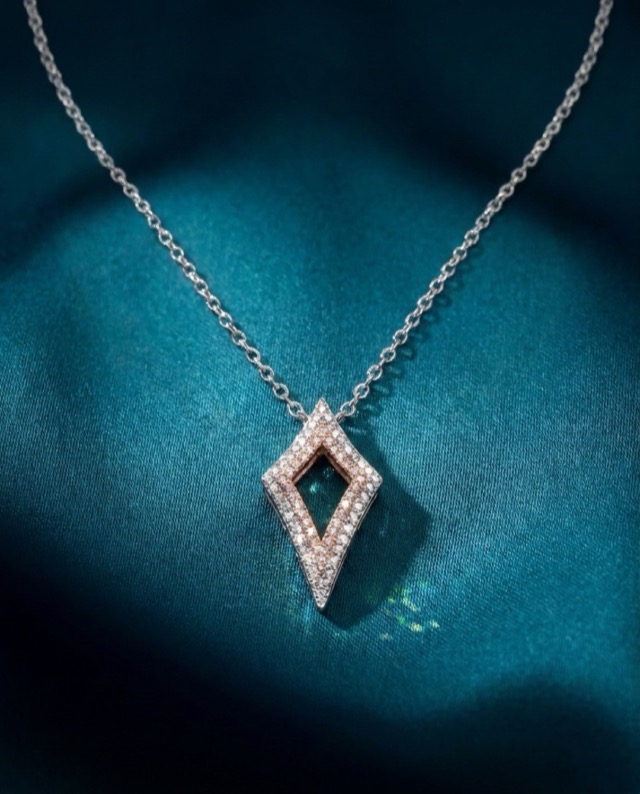
Get Your Catalog Online Fast
Most jewelers list a small slice of their inventory online. Here is a step-by-step way to get the whole catalog up.
Read →