Hiring a Professional Jewelry Photographer: Portfolios, Rights and Briefs
How to read a jewelry photographer's portfolio, the usage-rights question most stores forget, how to brief a shoot, and where software fits instead.
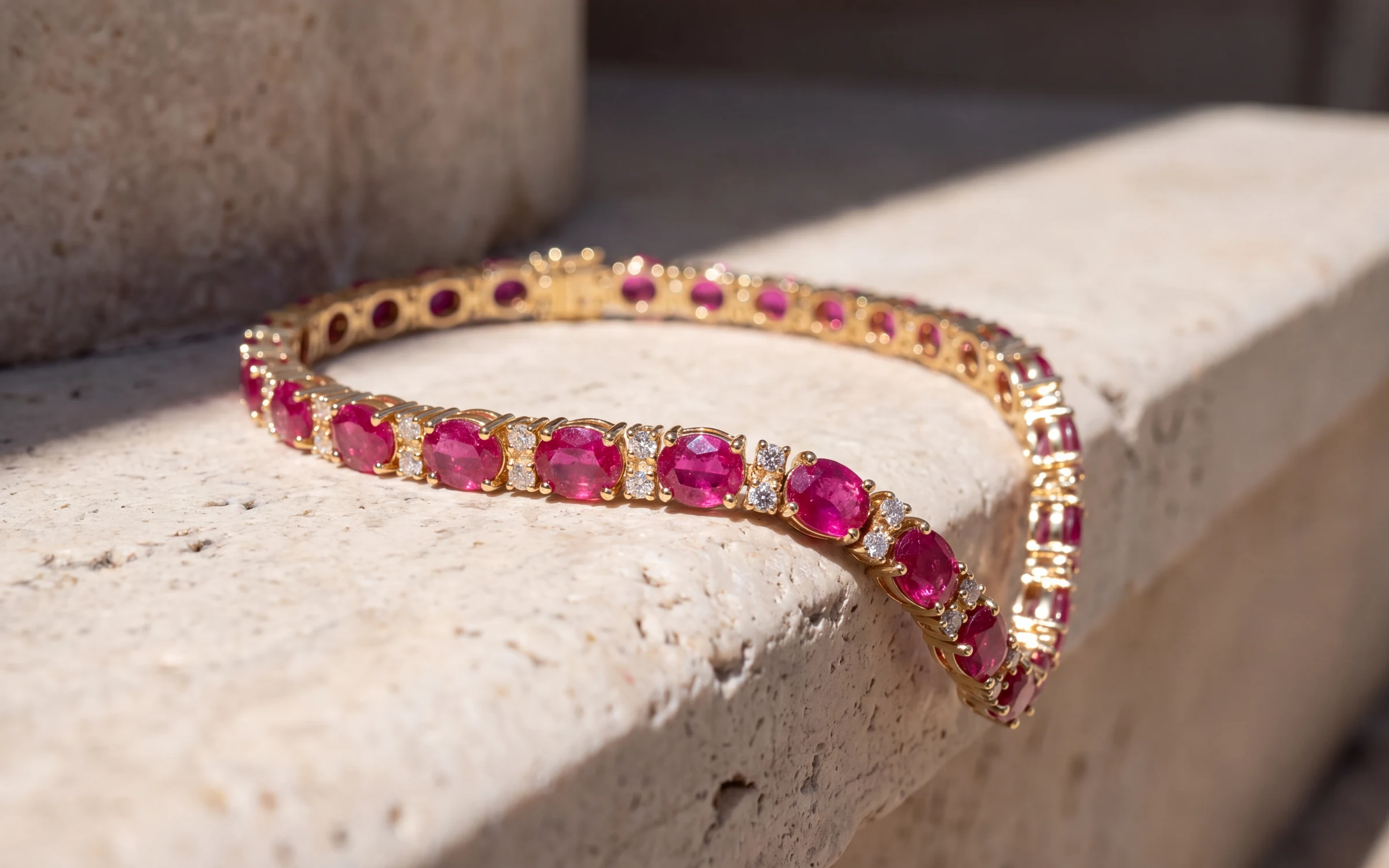
A good jewelry photographer is a specialist. Plenty of talented product photographers will take the job, and plenty of them will hand back rings with blown-out highlights, gray white gold and a reflection of their own camera in the band. Jewelry is small, reflective and detailed, and shooting it well takes a particular set of skills and equipment.
This guide is for jewelry stores and brands thinking about hiring one. It covers the kinds of work photographers do, how to read a portfolio, the questions that save trouble later, how to prepare for the shoot, and where a photographer is worth the money compared with other options. For the numbers, see our guide to jewelry product photography pricing.
Three kinds of jewelry photography
Most jobs fall into one of three groups, and many photographers are much stronger at one than the others.
Catalog or product shots. One piece, a clean background, even light, the same angle every time. This is what fills a collection page. It is careful, repetitive work, and consistency matters more than flair.
On-model shots. The piece worn on a hand, ear, neck or wrist. These need a model, often a hand model for rings, plus styling, and the photographer has to keep the jewelry sharp while the person moves.
Campaign or editorial shots. A styled scene, a mood, a story for a launch, a season or an ad. These are the most creative and the most expensive, and they are usually shot for a handful of hero pieces, not the whole line.
Decide which of these you need before you contact anyone. A photographer who is perfect for a bridal campaign may be slow and costly for four hundred catalog shots.
How to read a portfolio
Ignore the overall impression for a moment and look at the details that are hard to get right.
- White gold and platinum. Does it look white and bright, or gray and dull? This is the most common weak spot.
- Diamonds. Do they sparkle with crisp black and white facets, or look like cloudy glass?
- Reflections. Is the shape of a polished band clean and readable, without stray streaks or a visible camera?
- Sharpness. Is the whole ring sharp from the front of the stone to the back of the band? That usually means focus stacking, which takes skill and time.
- Consistency. In a set of catalog shots, are the pieces the same size in the frame, lit the same way, on the same background?
- Color. Do colored stones look believable, or oversaturated?
Ask to see a full set from one client, not just the best single images. A great hero shot says little about whether they can deliver two hundred matching ones.
Questions to ask before you book
Pricing model. Per image, per piece, half day or full day? Is retouching included, and how many images a day can they realistically deliver at your level of finish?
Retouching. Who does it, how much is included, and how many rounds of changes do you get? Read our guide to jewelry photo retouching for what to expect.
Usage rights. This is the one stores most often overlook. Many photographers license images for set uses rather than handing over unlimited rights. Ask in writing whether you can use the photos on your website, marketplaces, email, social, paid ads and print, for how long, and whether a manufacturer or retailer you sell to can use them too.
Insurance and handling. If pieces leave your store, who insures them in transit and at the studio? If the photographer comes to you, how much space and time do they need?
Turnaround. When will you get the finished files, and in what sizes and formats?
Reshoots. What happens when you add new pieces next month? Can they match the same setup, and at what cost?
How to prepare for the shoot
A shoot goes faster, and costs less, when the work is done before the photographer arrives.
- Write a shot list. Every piece, its SKU, and the shots you want of it: catalog front, side, worn, detail.
- Clean every piece. Steam and polish the day of the shoot, and handle pieces with gloves after.
- Gather references. Five or six images of the look you want, from your own site or others you admire.
- Decide the background and framing. White or gray, square or portrait, how much space around the piece. Stick to it across the catalog.
- Group the pieces. Shoot all the rings together, then the pendants, so the photographer is not resetting the lights every few minutes.
- Name the files. Agree that each file is named by SKU, so the photos match your inventory when they come back.
When a photographer is worth it, and when it is not
A photographer earns their fee on work that depends on a specific person, place or creative idea: a campaign for a new collection, a portrait of the family behind the store, a bridal shoot with a real couple, a story for a magazine. Software cannot stand in for that.
The catalog is a different job. Hundreds of pieces, new arrivals every week, the same look needed for each one. That is where per-piece photography gets expensive, and where pieces end up sitting in the case without a photo because the next shoot is a month away.
Many stores now split the work. They hire a photographer once or twice a year for campaign images, and handle the everyday catalog in house.
Where Aurix fits
Aurix covers the catalog side. You start from a photo you already have, such as a phone shot at the counter, a supplier image or a lightbox frame, and choose a Style. Aurix makes a finished photograph of the same piece: on its own on a clean studio backdrop or a surface like marble, silk or slate, or worn on a hand, neckline, ear or wrist. The models are generated, so there is no booking and no release form.
You save a Style once and use it across the catalog, so a piece that arrives on Tuesday comes out in the same look as the rest. By default each new photograph waits in Review changes beside your original, and you approve, reject or ask for a change before it publishes to your Shopify store. Aurix also writes the title, description and category from the inventory code.
Where to start
Before you call photographers, count how many pieces need photos this year and how many of them are campaign pieces. If most are catalog, look at software for that part. See plans: Starter is $99 a month, Growth $199 and Scale $399. To see Aurix first, book a 20-minute walkthrough. We run it on sample pieces.
Frequently asked questions
How do I find a good jewelry photographer?
Look for someone who shoots jewelry regularly, not product photography in general. Check their white gold, diamonds, reflections and sharpness, and ask to see a full catalog set from one client rather than a few hero images.
What should I ask a jewelry photographer before hiring?
Ask about the pricing model, what retouching is included, turnaround, how they handle and insure pieces, and above all the usage rights: where and for how long you can use the photos, and whether your stockists can use them too.
Do jewelry photographers include retouching?
Many include a basic edit and charge extra for heavier work such as focus stacking, stone retouching or composite shots. Ask exactly what the base price covers.
Should I hire a photographer or use AI for jewelry photos?
Use a photographer for campaigns and anything built around a specific person or place. For the everyday catalog, software like Aurix can make consistent product and worn shots from the photos you already have, at a monthly price, with each image reviewed before it publishes.
Can I take my own jewelry photos instead?
Yes. A phone by a window with a clean background gets you most of the way for catalog shots. Our guide on how to photograph jewelry that sells covers the basics.